
Kraft Material
Kraft Partboard Material
Natural Kraft, derived from wood pulping, is a popular choice for packaging due to its strength and versatility. Its eco-friendly properties and varied specifications make it a standout alternative to other materials. Adaptable to diverse packaging needs, Natural Kraft comes in three main variants, each tailored to meet specific requirements.
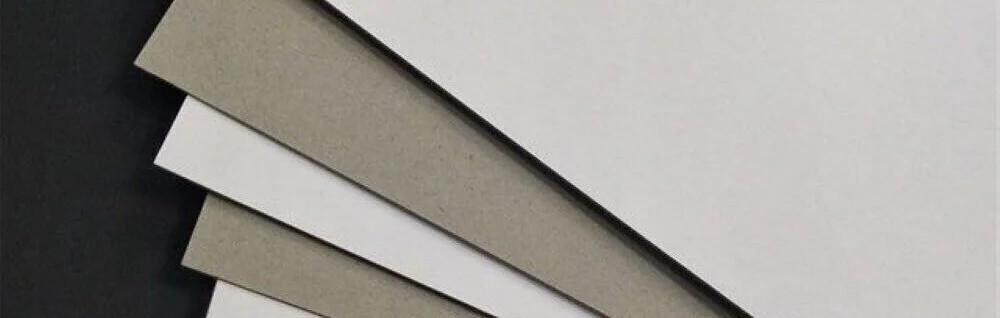
What are White, Brown, and Colored Kraft?
Kraft paper’s natural brown color results from the wood pulping process. To achieve a white color, the brown paper is bleached with chemicals, which may slightly impact its strength. For customized colors, dyes are added, often after bleaching, to create vibrant shades.


Important Characteristics of Kraft Material
Natural Kraft, a recyclable material, is widely favored for its numerous benefits, making it an excellent packaging choice for industrial and personal use. Its key characteristics include:
- Strength and durability
- Versatility
- Aesthetic appeal
- Eco-friendly
- Customization options
- HQ printing choices
- Texture
- Cost-effectiveness
Kraft Material Thickness and Its Impact on Packaging
Sustainable brown paperboard’s strength and quality depend on its thickness and layers, which vary with different gram weights. Higher gram weights result in thicker Kraft paperboard.
The material’s weight and thickness affect printing efficiency and quality, which also differ based on paper types, such as brown (unbleached), white (bleached), or corrugated Kraft paper.

| Basestock Properties (Units) | Nominal Basis Weight (GSM) | Caliper (Inches) | Thickness (Microns) | Commonly Used For |
|---|---|---|---|---|
| 12 pt | 210 gsm | 0.012″ | 220 μ | Bags |
| 14 pt | 250 gsm | 0.014″ | 250 μ | Takeout Boxes, Cups |
| 16 pt | 300 gsm | 0.016″ | 320 μ | Heavy Duty Bags, Takeout Box |
| 18 pt | 350 gsm | 0.018″ | 360 μ | All Box Packaging |
| 24 pt | 420 gsm | 0.024″ | 440 μ | Heavy Duty Boxes |
| 28 pt | 500 gsm | 0.028″ | 500 μ | Very Heavy Duty Boxes |